
Sustainability in Practice
Sustainability is not a separate layer that we add at the end of a project. It is part of the way we brief, design, specify and deliver. At studiospillane, we approach sustainability through practical design decisions that reduce waste, extend the life of existing assets, support healthier environments and create better long-term outcomes for our clients, communities and the environment.
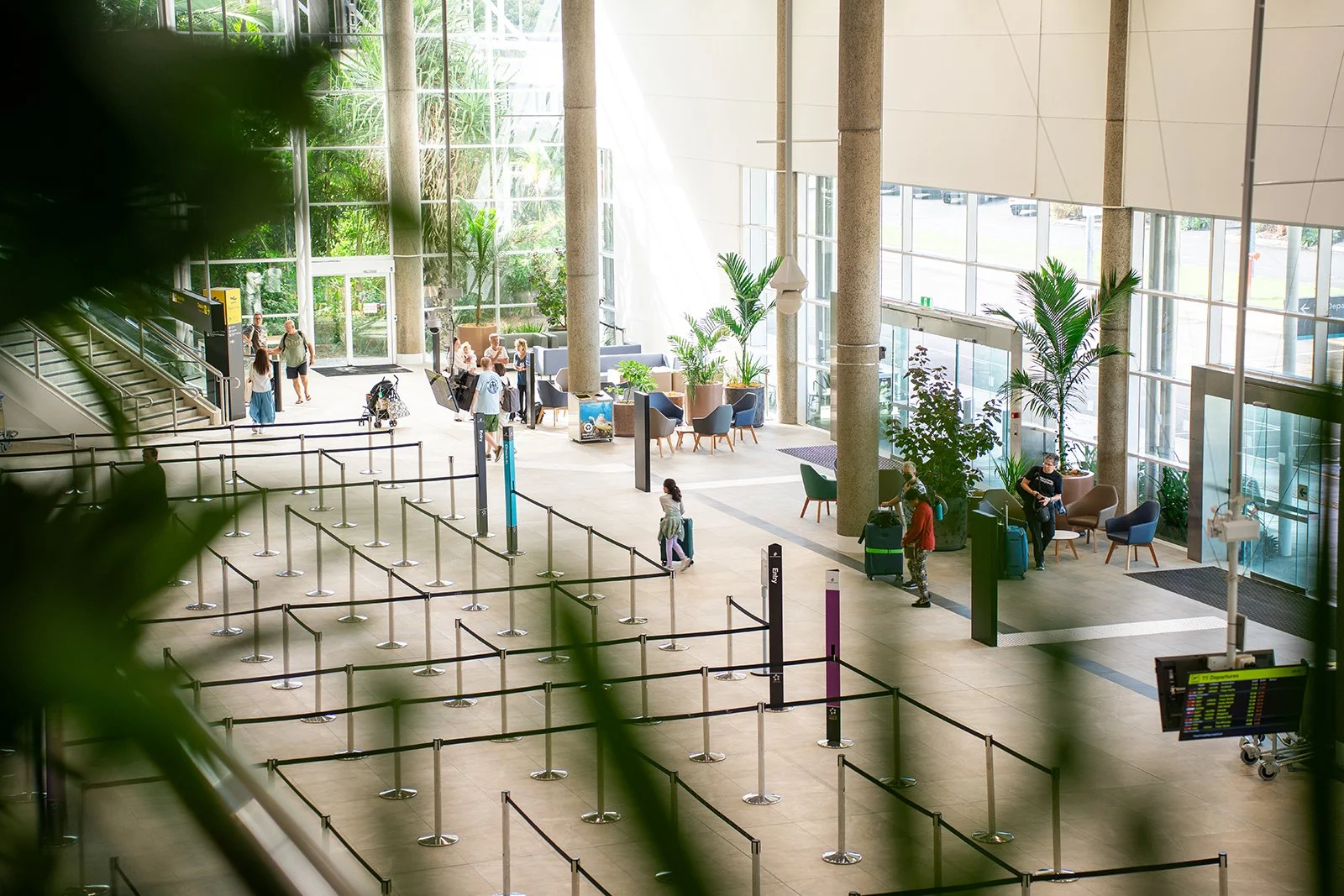
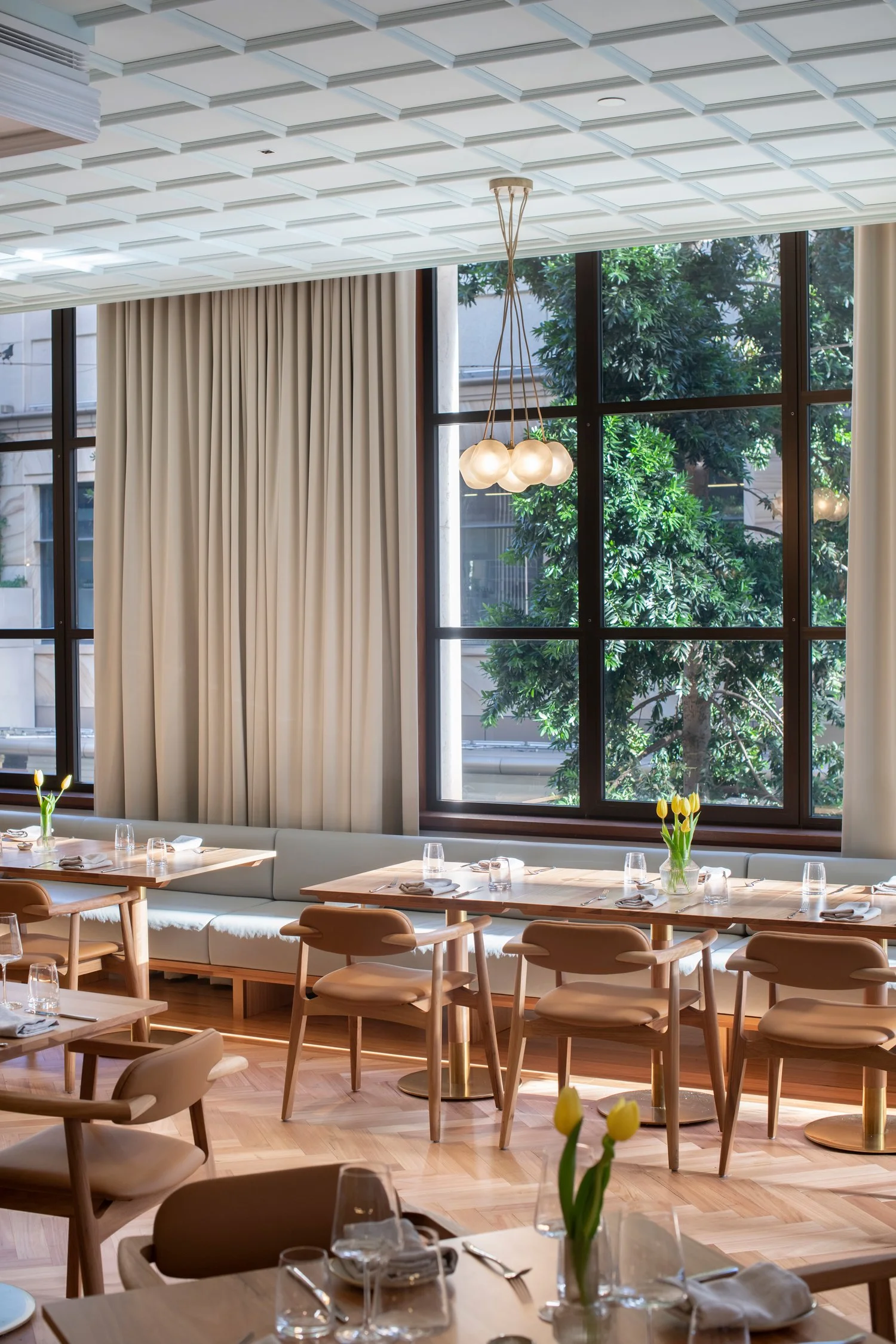
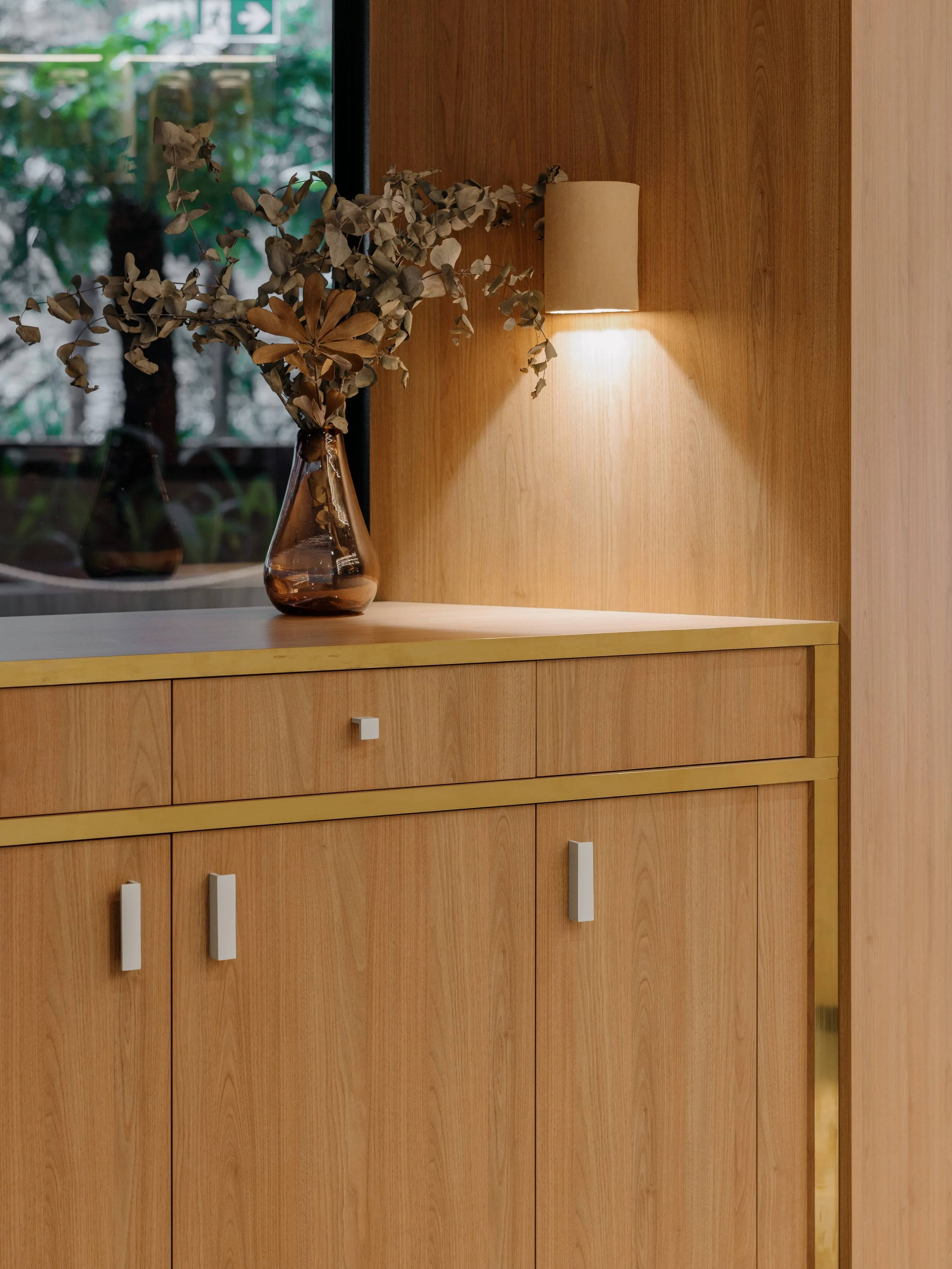
Our current research and white paper work is extending this thinking, with a focus on circular fitout, design for defit, material reuse and the role of clients, landlords and operators in reducing waste across hospitality, aviation and public-facing commercial interiors.
This work reflects a broader question that sits behind our practice: How can interiors be designed, adapted and removed in ways that create less waste and more long-term value?
Process
We begin by understanding each client’s appetite and priorities around sustainability, health, circularity and long-term operational performance. From there, we look for achievable ways to embed those priorities into everyday project decisions. This includes considering where materials come from, what they are made from, how they perform over time, how they can be maintained, and what happens to them at the end of their first use.
We prioritise adaptive reuse, refurbishment before replacement, Australian-made furniture, local sourcing, durable materials, recycled content, reduced toxicity, modularity, repairability and design for defit. In hospitality, aviation and public-facing commercial interiors, we recognise that fitouts are often affected by short leasing cycles, changing operational needs and repeated churn. Hospitality and retail environments are especially embedded in cycles of reinvention, driven by fashion, branding, consumer expectations and commercial pressure.
Our role is to challenge that pattern where possible by designing spaces, joinery, furniture and material systems that can be retained, repaired, reconfigured, reused or responsibly removed. In aviation environments, sustainability also connects to passenger and staff experience. Better planning, clearer movement, improved comfort, inclusive seating, intuitive wayfinding and calmer spatial environments can reduce stress while supporting operational performance.
Circular Fitout
Circular outcomes require more than good design intent. They rely on collaboration between clients, landlords, builders, suppliers, operators and consultants. They also require better planning around material recovery, storage, warranties, maintenance and future reuse.
Landlords and asset owners have a significant role to play. Leasing structures that require full demolition and make-good at the end of every tenancy can actively encourage unnecessary waste. More circular outcomes rely on green leasing approaches that support adaptation, refurbishment, material retention and reuse wherever possible.
Existing assets and adaptive reuse
Our work in existing buildings, including heritage places and spaces, reinforces our belief that sustainability is also about respecting what is already there. Retaining, adapting and carefully upgrading existing assets can reduce waste, protect cultural value and extend the useful life of buildings and interiors.
Through our project work, research and current white paper development, we are continuing to build a clearer position on circular fitout, design for defit, local sourcing and sustainability in practice.
Our aim is to create interiors that are beautiful, operationally effective and commercially useful, while making more considered decisions about resources, waste, health and long-term impact.
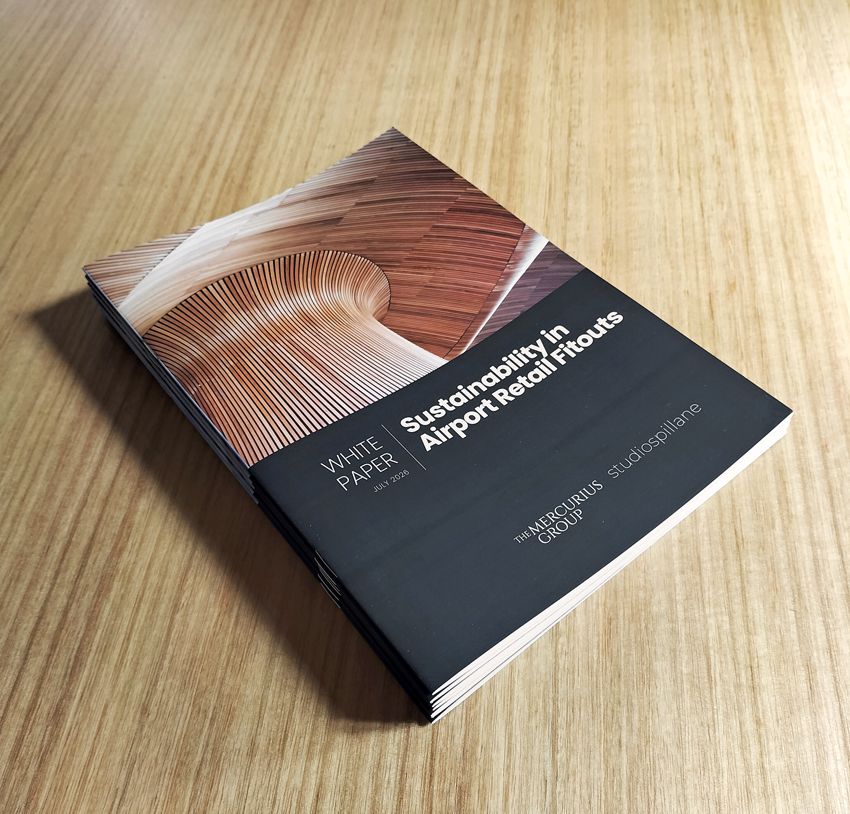
Read our white paper research: Sustainability in Airport Retail Fitouts.
Read the earlier round table discussion: A Discussion About Sustainability in Practice: Food and Beverage Tenancy Fitouts.
For new project enquiries, please contact us with a short outline of the site, scope, timing and project context.