

Cairns Airport Departures and Baggage Reclaim
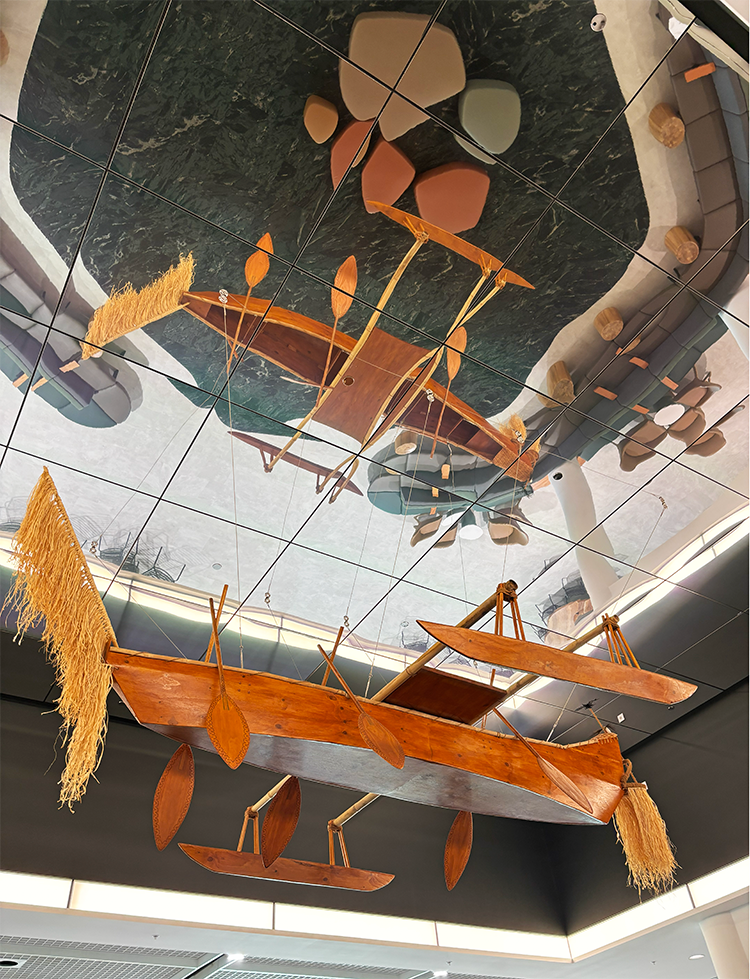
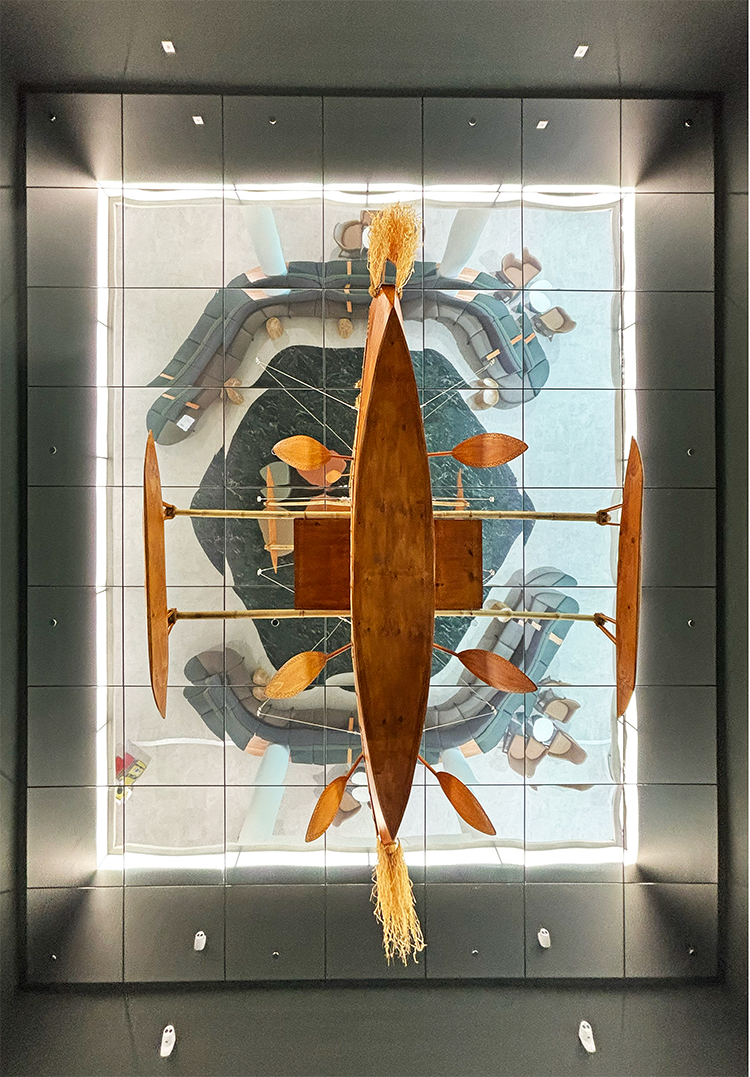
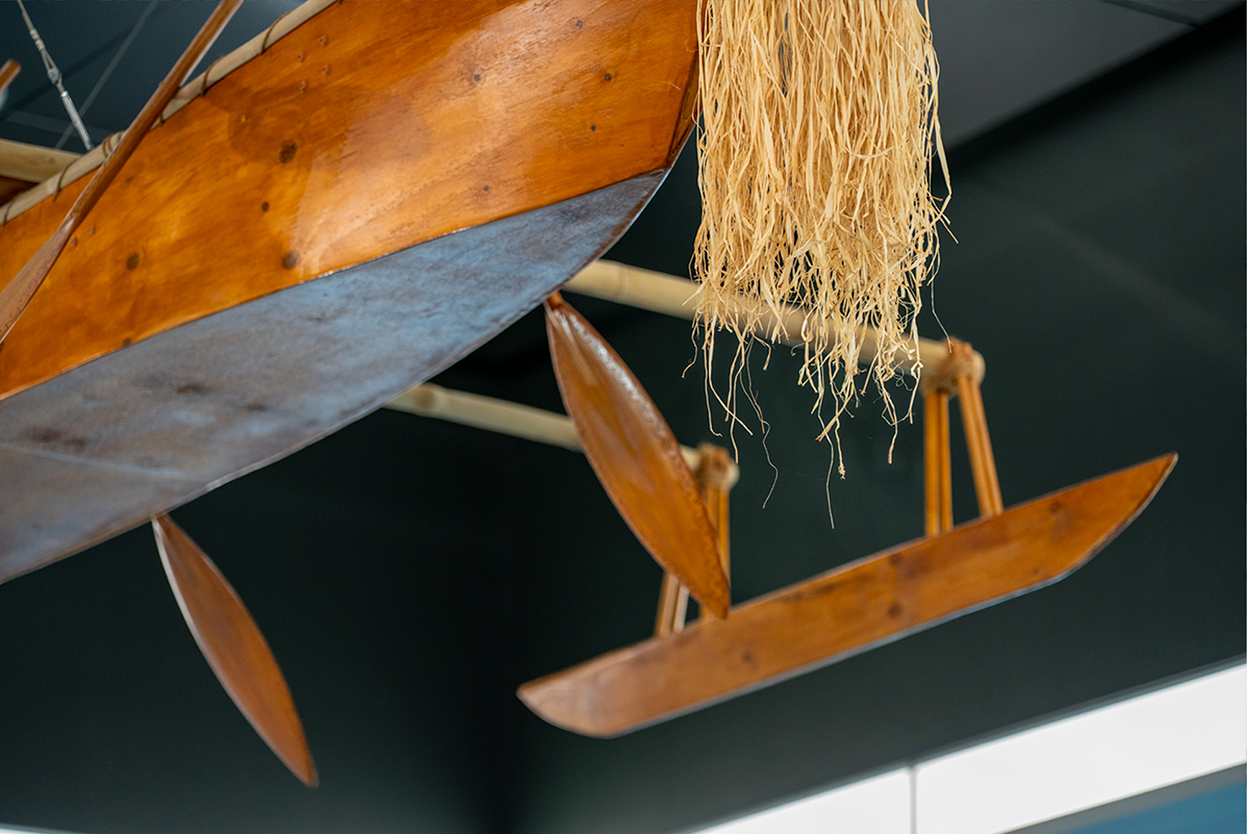
A renewal of the Cairns International Terminal’s departures and baggage reclaim halls, designed to create a calmer, clearer and more comfortable experience for travellers. At its heart is Nar, a traditional canoe by Toby Cedar, integrated as the defining artwork to offer passengers a memorable and culturally grounded moment as they depart.
Cairns Airport Departures and Baggage Reclaim
Client: North Queensland Airports Group
Location: Cairns, QLD
Year completed: 2025
Design: studiospillane with Studio Arkitecture
Builder: Hutchinson Builders
Project Management: Planned Performance
Engineering: STP Consultants and SEQUAL
DDA: DDA Consult
Signage: StudioMM
Photography by: Bang Media and studiospillane
PROJECT OVERVIEW
International airports are places of movement and memory. They signal the beginning of a journey, extend a visitor’s experience of a place, and welcome local communities home. The Cairns International Terminal has been undergoing a series of staged upgrades to renew the ageing 1990s building and better reflect the region’s unique environment and culture. Following our earlier refurbishment of the check in and arrivals halls, studiospillane was engaged, in collaboration with Studio Arkitecture, to update the departures lounge and baggage reclaim hall as part of the airport’s broader 55 million dollar upgrade program.
THE BRIEF
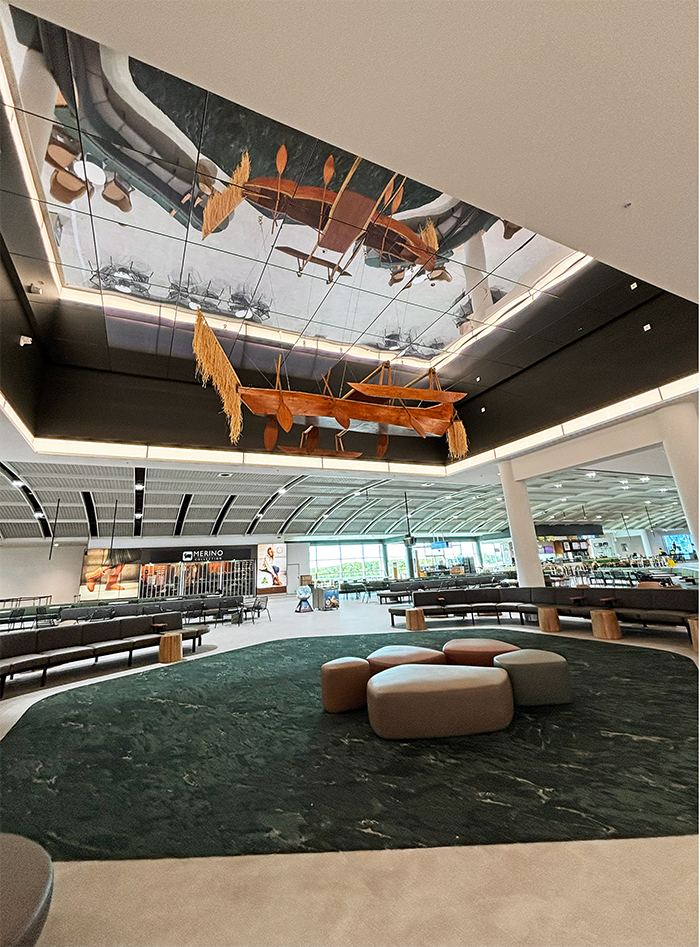
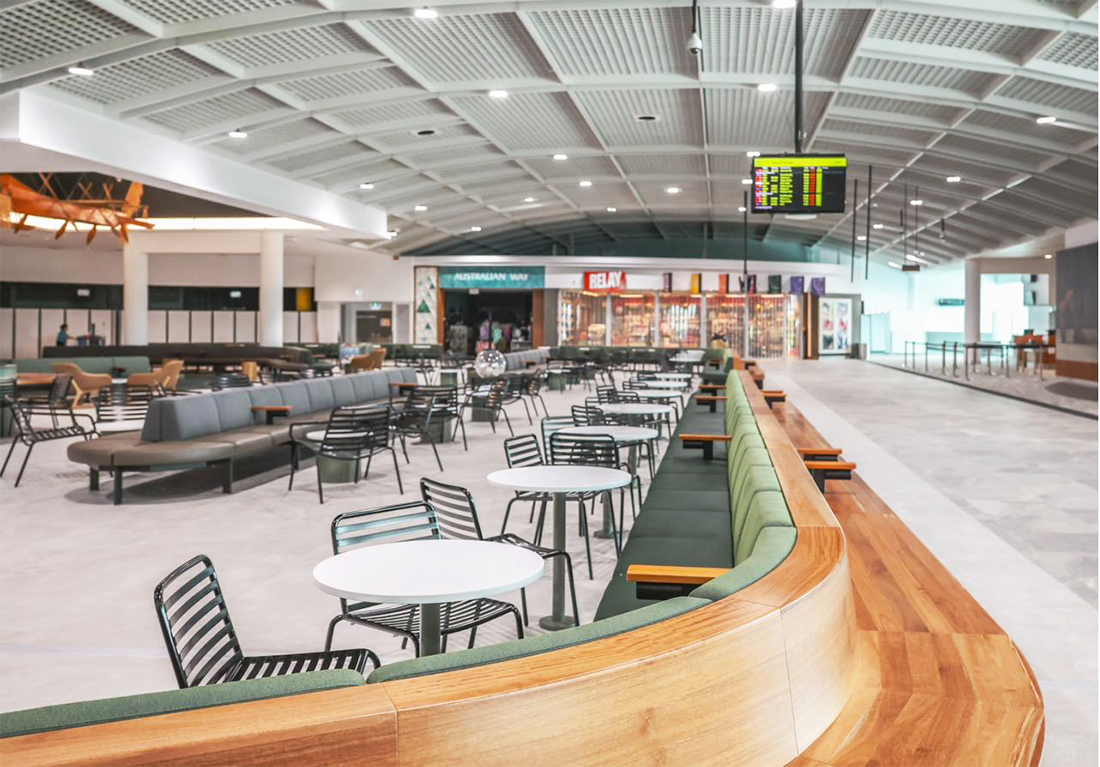
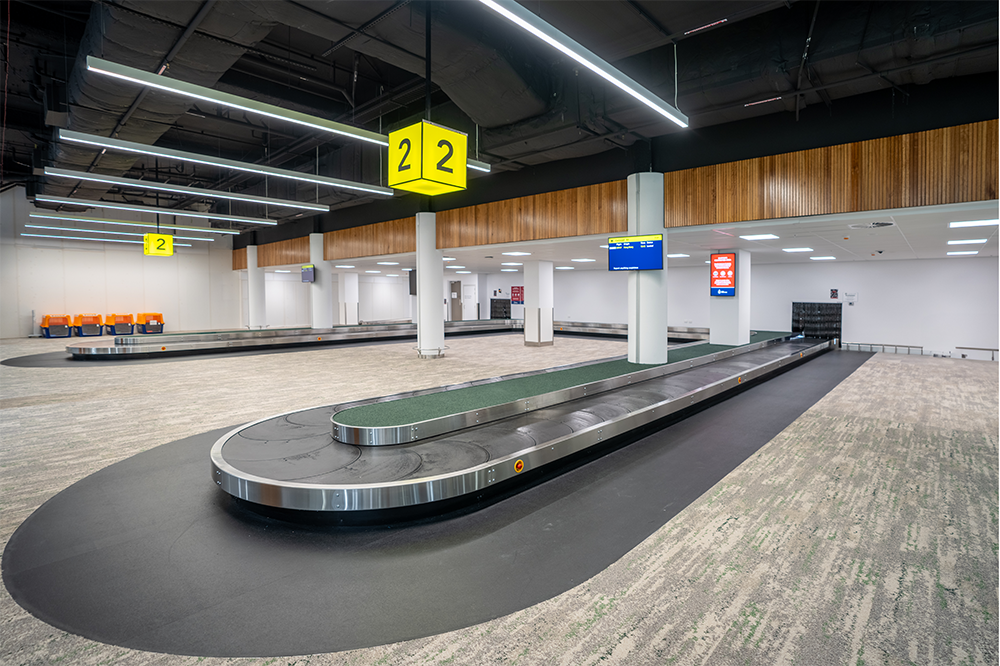
The departures experience required a refresh to improve comfort, clarity and spatial flow. The project included new flooring throughout the hall, upgraded amenities and a new parents room, refreshed dwell seating, and a full upgrade of the baggage reclaim hall with new belts and associated infrastructure. A key component of this phase was the integration and installation of a large-scale artwork at the centre of the departures lounge, intended to become the primary focal point as passengers enter the hall.
OUR APPROACH
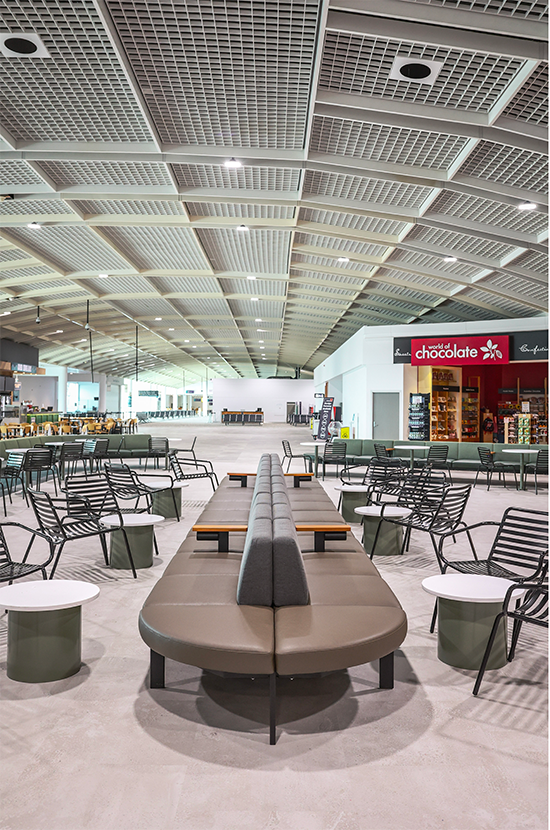
The existing terminal is expansive, with a large vaulted ceiling over the departures section of the building. Refurbishing a building of this scale is complex: new finishes can highlight older elements, and adding too much can compete with the underlying architecture rather than enhance it. Our approach, consistent with earlier stages, prioritised simple, effective interventions that complement the existing structure.
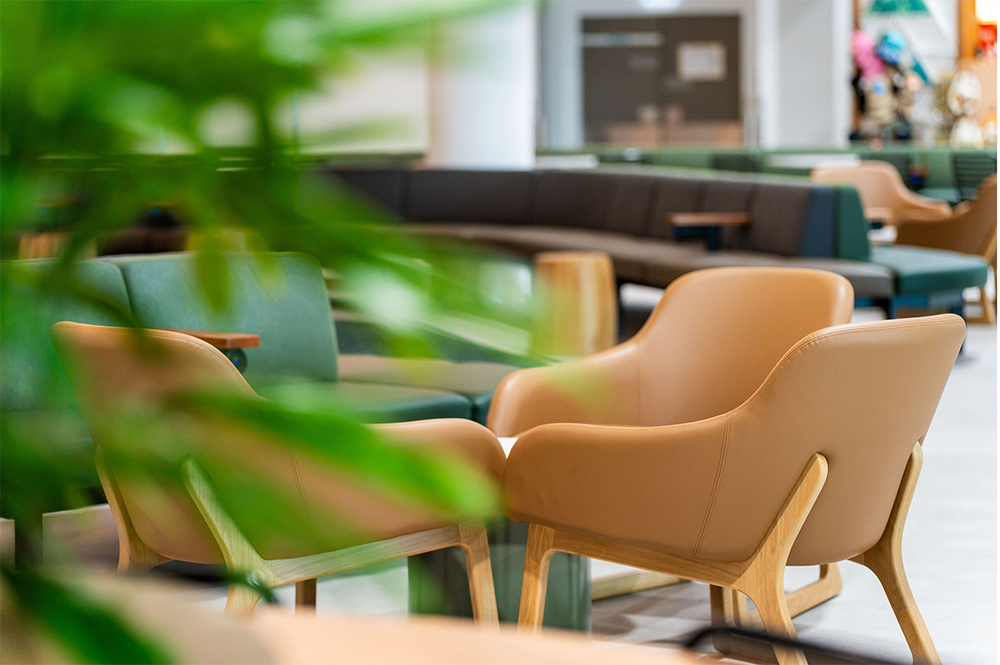
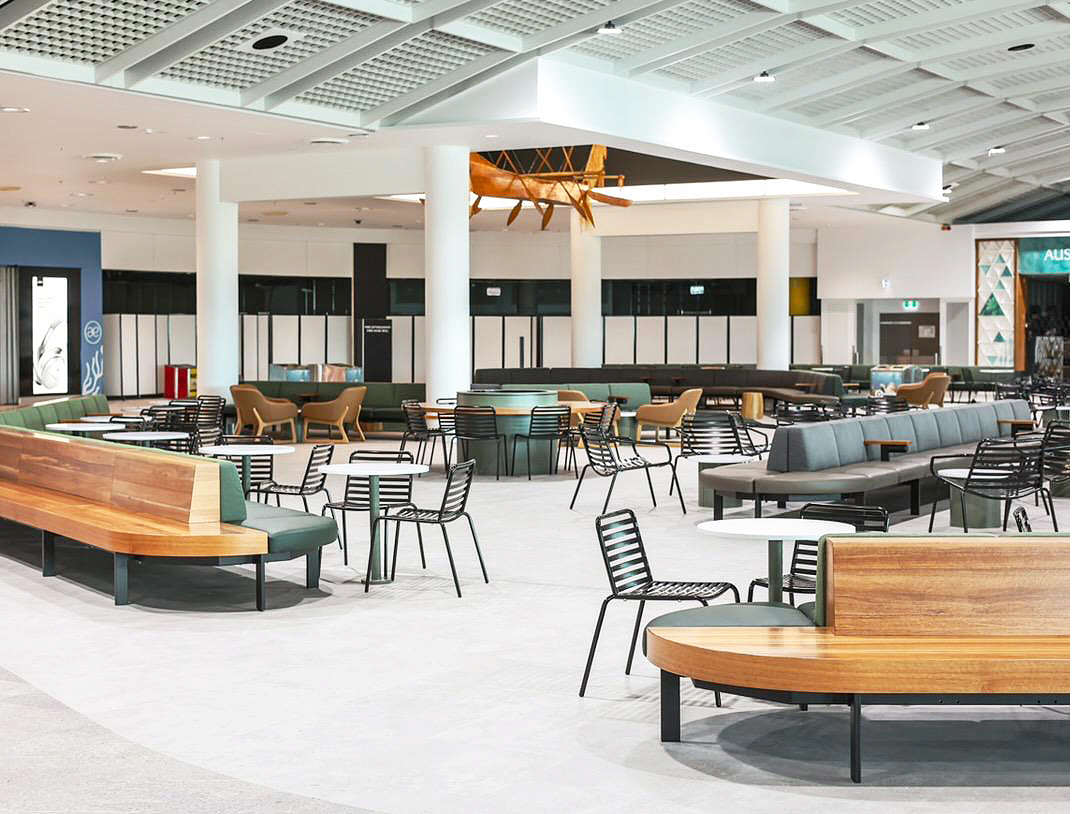
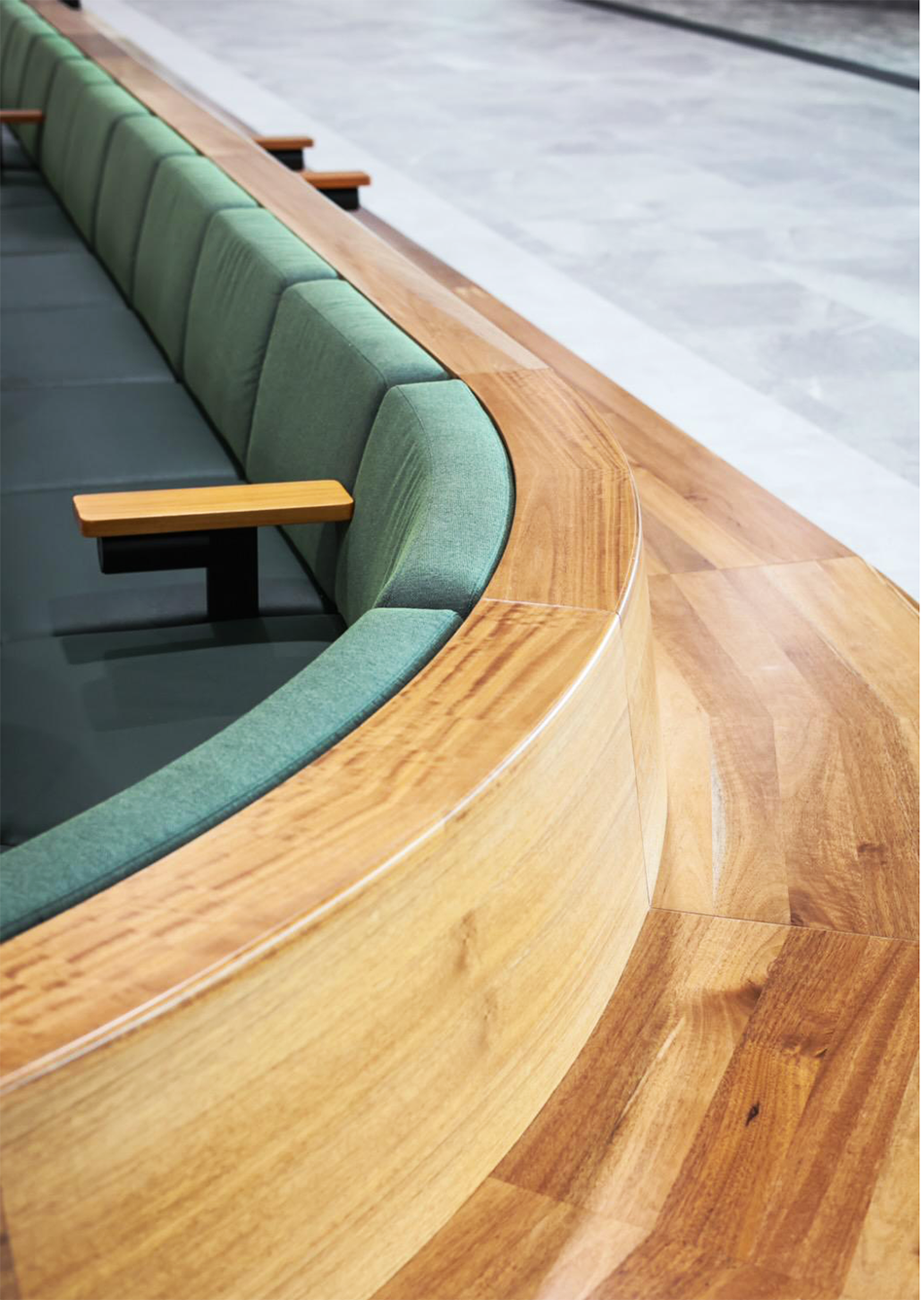
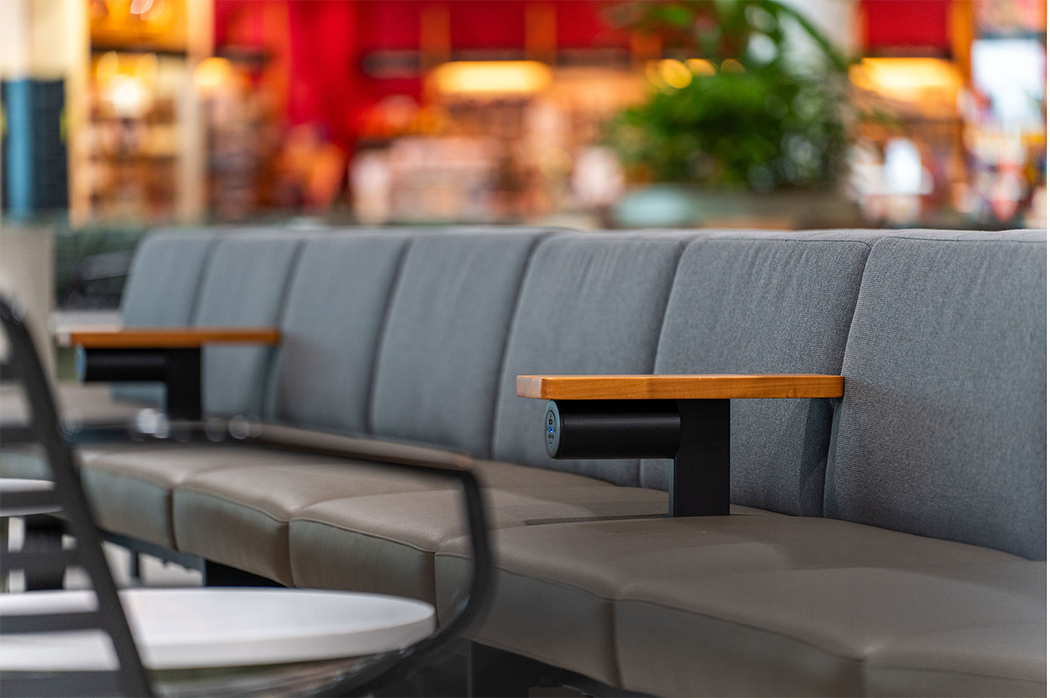
The design strategy focused on calming the visual environment, improving sightlines, and using durable, locally sourced materials. Tiled flooring replaced worn surfaces, amenities were fully upgraded, and new seating zones were introduced to create places of comfort within the large hall. Queensland maple timber and Australian designed and made furniture were selected to support local manufacturing and ground the project in the materiality of its region.
ARTWORK INTEGRATION
A defining feature of the upgraded departures hall is Nar, a traditional canoe by Torres Strait artist Toby Cedar. The artwork holds deep cultural significance and represents voyage, travel and connection to Country. From the outset, studiospillane worked closely with Toby and the wider project team to understand how the canoe should be displayed in a way that was respectful, protective and true to its intended presence.
Careful consideration was given to what should not be done. It was essential that the canoe was not hung upside down, which would contradict its cultural meaning, nor enclosed in glass, which would distance visitors from its craftsmanship and diminish the sense of movement inherent in the form. Instead, we sought to honour the canoe in its natural orientation, imagining it gliding through water, carrying its stories forward.
Nar is suspended below a mirrored ceiling plane, allowing travellers to view the canoe from above via the mirror — a perspective Toby describes as seeing it “as only an eagle would.” This overhead view amplifies the sculptural qualities of the piece while allowing the traditional form to be appreciated in its full integrity.
We centred the artwork within the dwell seating zone so that it becomes the first element seen upon entering the departures hall. Seating clusters and planting below are arranged to evoke the sense of resting within coastal mangroves, referencing the tidal landscapes through which a vessel like this would traditionally move. The result is a setting where the artwork, the architecture and the surrounding environment work together to create a moment of calm, reverence and connection.
THE RESULT
The refurbished departures lounge and baggage reclaim hall present a light, clear and welcoming environment connected to the qualities of the region. The interventions enhance views through the terminal, improve passenger comfort, and support efficient movement. The integration of Nar strengthens the cultural identity of the space, offering a memorable experience that is grounded in place and respectful of the stories and traditions of North Queensland.
SUSTAINABILITY
Throughout the project, durability, sustainability and local sourcing were prioritised.
• Durable materials were selected to reduce turnover and extend the lifecycle of the fitout
• Major elements such as ceilings, concrete columns and metal façade structures were retained or refreshed
• Timber is plantation-grown Queensland maple
• All loose furniture is Australian designed and made, supporting local manufacturers and reducing transport impact